
The Truth About Commercial Real Estate Investments Finally Revealed!

Commercial real estate (CRE) has long been regarded as a lucrative avenue for investors seeking to diversify their portfolios and generate substantial returns. Yet, like any investment, CRE carries its share of complexities and misconceptions. Understanding these intricacies is essential for making informed decisions. This article will reveal the truth about commercial real estate investments, covering the advantages, challenges, and key factors to consider when venturing into this dynamic market.

The Benefits of Investing in Commercial Real Estate

1. Income Potential

One of the most attractive aspects of commercial real estate is its income-generating potential. Unlike residential properties, commercial properties typically offer higher rental yields and longer lease terms, providing investors with a stable and predictable cash flow. Tenants in commercial spaces, such as retail stores, offices, and industrial facilities, often sign multi-year leases, ensuring a steady income stream for property owners.

2. Portfolio Diversification

Commercial real estate offers an excellent opportunity for diversification, allowing investors to balance their portfolios with tangible assets that tend to have a low correlation with traditional financial markets. This diversification can help mitigate risks associated with market volatility and economic downturns, as commercial properties may continue to generate income even when stocks and bonds are underperforming.

3. Tax Advantages

Investing in commercial real estate can provide several tax benefits. These include deductions for mortgage interest, property depreciation, and operating expenses, which can significantly reduce taxable income. Additionally, investors can benefit from tax-deferred exchanges, such as the 1031 exchange in the United States, allowing them to defer capital gains taxes by reinvesting proceeds from the sale of one property into another.

4. Appreciation Potential

Commercial real estate has the potential for long-term appreciation, especially in high-demand markets. Property values tend to increase over time due to factors such as population growth, economic development, and urbanization. By strategically investing in locations poised for growth, investors can realize substantial capital gains.

The Challenges of Commercial Real Estate Investment

1. High Entry Costs

One of the most significant barriers to entry in commercial real estate is the substantial capital investment required. Acquiring commercial properties typically involves higher upfront costs than residential properties, including down payments, closing costs, and renovation expenses. This can be a deterrent for some investors, especially those with limited resources.

2. Market Volatility

While commercial real estate offers diversification benefits, it is not immune to market fluctuations. Economic downturns, changes in consumer behavior, and shifts in industry trends can impact property values and occupancy rates. Investors must be prepared for potential market volatility and have contingency plans to mitigate risks.

3. Management Complexity

Commercial landlords often deal with multiple tenants, each with unique lease agreements and maintenance requirements. Additionally, property managers must comply with various regulations and zoning laws, adding another layer of complexity to the management process.

4. Limited Liquidity

Commercial real estate is considered a relatively illiquid asset, meaning it cannot be easily converted into cash. Selling a commercial property can be a lengthy process involving negotiations, due diligence, and legal procedures. 

Consider When Investing in Commercial Real Estate

1. Location, Location, Location

The old adage “location, location, location” holds true in commercial real estate. The success of an investment largely depends on the property’s location. Factors to consider include proximity to major transportation hubs, population density, economic activity, and accessibility. A prime location can attract high-quality tenants and ensure long-term appreciation.

2. Property Type and Sector Trends

Investors should carefully consider the type of commercial property they wish to invest in, whether retail, office, industrial, or multifamily. Each property type has unique market dynamics and trends that can influence investment performance. For example, the rise of e-commerce has significantly impacted retail spaces, while the demand for flexible office spaces has increased due to remote work trends.

3. Tenant Quality and Lease Structure

The quality of tenants and the structure of lease agreements are critical factors in determining the success of a commercial real estate investment. Reliable tenants with strong financial backgrounds can ensure a steady income stream and minimize vacancy risks. Additionally, long-term leases with favorable terms provide stability and reduce turnover costs.

4. Due Diligence and Risk Assessment

Conducting thorough due diligence is essential before making any commercial real estate investment. This involves analyzing financial statements, property conditions, market trends, and potential risks. Investors should also consider hiring professionals, such as real estate attorneys and property inspectors, to ensure comprehensive evaluations.

5. Financing Options and Leverage

Understanding financing options and the role of leverage is crucial for commercial real estate investors. While borrowing can amplify returns, it also increases risk. Investors should carefully assess their debt-to-equity ratios and explore various financing options, such as traditional loans, commercial mortgage-backed securities (CMBS), and private equity partnerships.

Navigating the Future of Commercial Real Estate

1. Embracing Technology and Innovation

The commercial real estate industry is evolving rapidly, driven by technological advancements and changing consumer preferences. Investors who embrace innovation can gain a competitive edge. This includes adopting smart building technologies, utilizing data analytics for decision-making, and exploring sustainable building practices.

2. Adapting to Market Shifts

The COVID-19 pandemic has accelerated several market shifts, including remote work adoption and e-commerce growth. 

3. Focus on Sustainability and ESG Initiatives

Sustainability and environmental, social, and governance (ESG) considerations are becoming increasingly important in commercial real estate. Properties that meet high sustainability standards can attract socially conscious tenants and investors. Implementing energy-efficient systems and sustainable practices can also reduce operating costs and enhance property value.

Commercial real estate investments offer significant income potential, diversification benefits, and tax advantages. However, they also come with challenges such as high entry costs, market volatility, and management complexity. By understanding the truth about commercial real estate investments and considering key factors like location, tenant quality, and market trends, investors can make informed decisions and navigate the dynamic landscape of commercial real estate. Embracing technology, adapting to market shifts, and focusing on sustainability can further enhance investment success and ensure long-term growth in this ever-evolving industry.

Prime Retail Locations in Canada: A Detailed Overview

In the bustling world of retail, location is paramount. For businesses, selecting a prime retail location can be the difference between soaring success and unfortunate failure. In Canada, a country known for its diverse and dynamic urban landscapes, identifying prime retail locations involves a meticulous analysis of various factors. This blog delves into the essential elements driving prime retail locations, highlights upcoming retail hotspots, and examines how demographics and consumer behavior influence location selection. Furthermore, we provide data-driven insights into foot traffic, sales, and vacancy rates, giving retailers a comprehensive guide to navigating Canada’s retail landscape.

Major Factors Driving Prime Retail Locations

Accessibility and Visibility

Accessibility and visibility are critical in determining a prime retail location. Retailers thrive in areas that are easily accessible to a large number of consumers, with ample parking facilities and convenient public transport links. Visibility ensures that stores capture the attention of potential customers, making high-traffic streets and well-known shopping districts highly desirable.

Economic Stability and Growth

Economic stability and growth within a region significantly impact retail success. Areas with robust economic performance, low unemployment rates, and rising income levels attract both retailers and consumers. Cities like Toronto, Vancouver, and Calgary, with their booming economies, provide fertile ground for retail investments.

Competition and Market Saturation

While a certain level of competition indicates a thriving retail environment, excessive market saturation can deter new entrants. Retailers must balance between being in the midst of bustling retail zones and avoiding overly saturated markets where competition is too fierce.

Real Estate Costs

Real estate costs, including rent and property prices, play a crucial role in location selection. Prime locations often come with a hefty price tag, but the potential for higher sales and foot traffic can justify the investment. Retailers must conduct cost-benefit analyses to ensure that the higher costs translate into proportionate revenue.

Upcoming Retail Hotspots in Canadian Cities

Toronto: The Epicenter of Retail Innovation

Toronto remains the epicenter of retail innovation in Canada. The downtown core, especially along Queen Street West and Bloor Street, continues to attract both luxury and mainstream retailers. Emerging neighborhoods like Liberty Village and the Distillery District are becoming trendy hotspots, appealing to younger demographics and tech-savvy consumers.

Vancouver: A Hub of Diversity and Luxury

Vancouver’s retail landscape is characterized by its diversity and luxury appeal. Robson Street and the Pacific Centre are prime locations for high-end retailers. Additionally, areas like Yaletown and Mount Pleasant are gaining popularity, offering a mix of boutique stores, restaurants, and unique shopping experiences.

Montreal: Blending Tradition with Modernity

Montreal blends traditional charm with modern retail trends. Sainte-Catherine Street remains a major retail artery, while neighborhoods like Mile End and Griffintown are becoming trendy retail destinations, attracting artists, young professionals, and tourists.

Calgary: Expanding Retail Frontiers

Calgary’s expanding economy and growing population make it a retail hotspot. The Core Shopping Centre and 17th Avenue SW are established retail hubs, while areas like East Village are rapidly developing, offering new opportunities for retailers.

The Impact of Demographics and Consumer Behavior on Location Selection

Age and Income Levels

Demographics such as age and income levels heavily influence retail location decisions. Younger populations, often found in urban centers and university towns, prefer trendy, fast-fashion, and tech-oriented stores. In contrast, older demographics with higher disposable incomes gravitate towards luxury and high-end retailers.

Consumer Preferences and Trends

Understanding consumer preferences and trends is crucial for selecting the right location. The rise of experiential retail, where shopping is combined with entertainment and dining, has led to the popularity of mixed-use developments. Retailers are increasingly choosing locations within lifestyle centers that offer a holistic shopping experience.

Ethnic Diversity

Canada’s ethnic diversity shapes retail landscapes significantly. Areas with high concentrations of specific ethnic groups often have stores catering to their unique preferences and needs. For instance, neighborhoods with large Asian populations might have a higher density of Asian supermarkets, restaurants, and specialty stores.

Data-Driven Insights into Foot Traffic, Sales, and Vacancy Rates

Foot Traffic Analysis

Foot traffic is a vital indicator of a retail location’s potential. Data from various cities indicate that Toronto’s Eaton Centre and Vancouver’s Metropolis at Metrotown experience some of the highest foot traffic in Canada. Retailers can utilize foot traffic data to gauge the viability of different locations.

Sales Performance

Sales performance varies across regions and retail types. Luxury brands in high-end locations like Vancouver’s Robson Street report higher average sales per square foot compared to mid-range retailers. Understanding sales patterns helps retailers tailor their inventory and marketing strategies to specific locations.

Vacancy Rates

Vacancy rates provide insights into the competitiveness and attractiveness of retail locations. Lower vacancy rates typically signify high demand and stable economic conditions. For instance, Toronto and Vancouver consistently show lower retail vacancy rates compared to other Canadian cities, reflecting their strong retail markets.

Conclusion

Navigating the complex landscape of prime retail locations in Canada requires a deep understanding of various factors, from accessibility and economic conditions to consumer behaviour and demographic trends. By identifying upcoming hotspots and leveraging data-driven insights, retailers can make informed decisions that align with their business goals. As Canada continues to grow and evolve, staying attuned to these dynamics will be essential for achieving long-term retail success.

Prime retail locations in Canada offer immense opportunities, but the key to unlocking their potential lies in a strategic approach grounded in thorough research and analysis. Whether it’s the bustling streets of Toronto, the luxury hubs of Vancouver, the eclectic mix of Montreal, or the expanding frontiers of Calgary, each city presents unique prospects for retailers ready to capitalize on them.

1. What are the key factors to consider when choosing a prime retail location in Canada?

Key factors include accessibility, visibility, economic stability, competition, and real estate costs. These elements help determine the potential for high foot traffic and sales.

2. Which Canadian cities are considered retail hotspots?

Toronto, Vancouver, Montreal, and Calgary are major retail hotspots. Popular areas include Toronto’s Queen Street West, Vancouver’s Robson Street, Montreal’s Sainte-Catherine Street, and Calgary’s 17th Avenue SW.

3. How do demographics influence retail location selection?

Demographics such as age, income levels, and ethnic diversity influence retail preferences, helping determine suitable locations for various types of stores. Younger populations prefer trendy stores, while higher-income areas attract luxury retailers.

4. Why is foot traffic important for retail locations?

Foot traffic indicates the number of potential customers passing by a location. High foot traffic areas typically lead to higher sales opportunities and increased brand visibility.

5. What role do vacancy rates play in selecting a retail location?

Low vacancy rates suggest high demand and stable economic conditions, making those locations more attractive for retailers. High vacancy rates might indicate lower consumer interest or economic challenges in the area.

Essential Tips for Leasing Office Spaces to Startups

Leasing office spaces is a critical decision for startups. It can significantly influence their growth trajectory, operational efficiency, and financial health. For Canadian startups, finding the right office space involves understanding market trends, negotiating favourable lease terms, and ensuring the space aligns with the company’s culture and needs. Here are some essential tips for leasing office spaces to startups, along with a real-time story of a successful Canadian startup.

1. Understand Your Needs

Before diving into the leasing process, it’s crucial to define your startup’s needs clearly. Consider the following:

  • Size and layout: How many employees do you have, and what kind of layout suits your work style? Open spaces encourage collaboration, while private offices provide focus.
  • Location: Proximity to public transportation, clients, and amenities can impact employee satisfaction and business operations.
  • Budget: Determine a realistic budget for rent, including potential costs for utilities, maintenance, and other fees.

2. Research Market Trends

Stay informed about the latest trends in the Canadian commercial real estate market. Market conditions can vary significantly between cities like Toronto, Vancouver, and Montreal. Understanding these trends can help you negotiate better lease terms and avoid overpaying.

3. Negotiate Flexible Lease Terms

Startups need flexibility as they grow. When negotiating your lease, consider:

  • Shorter lease durations: Opt for a one- or two-year lease with renewal options.
  • Expansion options: Ensure the lease allows for expansion if your team grows.
  • Exit clauses: Negotiate an exit clause to minimize penalties if you need to break the lease early.

4. Assess Amenities and Services

Modern office spaces often come with various amenities and services that can add value for startups. Look for features like high-speed internet, conference rooms, on-site parking, and shared facilities. These can enhance productivity and create a more attractive workplace.

5. Plan for Future Growth

While it’s important to meet your current needs, consider how the space can accommodate future growth. Choose a location with the potential for expansion and ensure the lease terms support scalability.

6. Seek Professional Advice

Working with a commercial real estate broker who understands the needs of startups can be invaluable. They can provide insights into market conditions, help identify suitable properties, and negotiate favourable terms on your behalf.

Real-Time Story: Shopify’s Journey

“Shopify, a Canadian e-commerce giant, started as a small startup in Ottawa. Founded in 2006 by Tobias Lütke, Daniel Weinand, and Scott Lake, Shopify’s journey from a small office to a multinational corporation is a testament to strategic office space leasing.

Initially, Shopify operated from a small office in Ottawa’s ByWard Market. As the company grew, it moved to a larger space in the same neighbourhood, maintaining its commitment to a vibrant and accessible location. This decision proved advantageous as it attracted talent and kept the team connected to the local startup ecosystem.

One of Shopify’s critical moves was securing flexible lease terms that allowed for expansion. The company’s leadership understood the importance of scalability and negotiated leases that provided options for additional space as needed. This foresight enabled Shopify to grow without the constraints of long-term lease commitments.

Shopify’s success story is well-documented in publications like The Globe and Mail, which highlights the company’s strategic decisions in office space leasing as a factor in its growth. Their approach to leasing office spaces offers valuable lessons for startups aiming to follow a similar path.”

Leasing office spaces for startups involves careful planning, strategic negotiation, and a keen understanding of market trends. By focusing on flexibility, future growth, and professional advice, Canadian startups can secure office spaces that support their journey to success. Shopify’s story illustrates the importance of these principles and serves as an inspiration for new ventures in the real estate business.

For startups, making informed decisions about leasing office spaces can set the foundation for long-term success. With the right approach, office space can be more than just a place to work; it can be a catalyst for growth and innovation.

FAQs for Leasing Office Spaces to Startups

1. What should startups consider when choosing an office location?

Startups should consider factors such as proximity to public transportation, accessibility for employees, proximity to clients and partners, availability of local amenities (restaurants, cafes, gyms), and the overall safety and vibe of the neighbourhood. Additionally, being in a vibrant area can enhance networking opportunities and attract talent.

2. How can a startup ensure it doesn’t overpay for office space?

To avoid overpaying, startups should conduct thorough market research to understand current rental rates in their desired area. Engaging a commercial real estate broker can provide insights into fair pricing and help negotiate favourable terms. Additionally, startups should look for flexible lease terms and avoid unnecessary amenities that can drive up costs.

3. What are the benefits of flexible lease terms for startups?

Flexible lease terms provide startups with the ability to scale their space according to their growth. Shorter lease durations, renewal options, and exit clauses allow startups to adjust their office space as their team expands or their needs change. This flexibility helps manage financial risk and ensures that the office space can adapt to the company’s evolving requirements.

4. What amenities should startups look for in an office space?

Startups should prioritize amenities that enhance productivity and employee satisfaction. Key amenities include high-speed internet, meeting and conference rooms, on-site parking, kitchen facilities, and secure access. Additional benefits such as fitness centers, communal spaces, and event areas can also contribute to a positive work environment and help attract and retain talent.

5. How can working with a commercial real estate broker benefit a startup?

A commercial real estate broker brings expertise and knowledge of the market, helping startups identify suitable properties that meet their needs and budget. Brokers can negotiate better lease terms, provide insights into market trends, and offer professional advice on property selection and lease agreements. Their guidance can save startups time, effort, and money while ensuring they secure the best possible office space.

Exploring Retail Properties in the Canadian Real Estate Market

The Canadian real estate market is thriving, with retail properties playing a pivotal role in the economic landscape. Understanding the dynamics of land development, office spaces, industrial properties, and retail properties is essential for investors looking to maximize their returns. This blog aims to provide comprehensive insights into these areas, highlighting opportunities and challenges in the retail property sector.

Understanding Retail Properties

Retail Properties: A Definition

Retail properties are commercial spaces designed for selling goods and services directly to consumers. These include shopping malls, standalone shops, and retail parks.

Importance of Location and Demographics

Location is critical in retail real estate. Proximity to populated areas, easy access, and visibility can significantly impact the success of a retail property. Understanding local demographics helps tailor the retail mix to meet consumer needs.

Current Trends in Retail Properties

The retail property market is evolving. Trends such as the rise of e-commerce, the demand for experiential retail, and the shift towards mixed-use developments are reshaping the landscape.

Land Development for Retail Properties

Key Considerations in Land Development

Successful land development for retail properties requires careful planning. Key considerations include site selection, environmental impact assessments, and infrastructure development.

Zoning Laws and Regulations

Zoning laws dictate how land can be used. Understanding local regulations is crucial for developers to ensure compliance and avoid legal issues.

The Role of Infrastructure and Accessibility

Good infrastructure and accessibility are vital for retail properties. This includes transportation links, parking facilities, and pedestrian pathways.

Case Studies of Successful Land Development Projects

Examining successful projects can provide valuable insights. For example, the redevelopment of Toronto’s Distillery District into a vibrant retail and cultural hub demonstrates the potential of thoughtful land development.

Office Spaces and Their Synergy with Retail

The Rise of Mixed-Use Developments

Mixed-use developments combine residential, commercial, and retail spaces, creating vibrant, multifunctional areas. This trend is growing in popularity across Canada.

Benefits of Integrating Office Spaces with Retail Properties

Integrating office spaces with retail properties enhances foot traffic, creating a symbiotic relationship that benefits both sectors. Workers have easy access to amenities, while retailers enjoy a steady stream of potential customers.

Examples of Successful Office-Retail Integrations

Projects like Vancouver’s Marine Gateway exemplify successful office-retail integration, offering office spaces, retail stores, and residential units in a single, well-connected location.

Impact on Property Value and ROI

Mixed-use developments often see higher property values and better ROI due to their diversified income streams and enhanced appeal to tenants.

Industrial Properties and Retail Integration

Understanding Industrial Properties and Their Role in Retail Supply Chain

Industrial properties, including warehouses and distribution centers, are crucial for retail supply chains. Their proximity to retail hubs ensures efficient inventory management and faster delivery times.

Benefits of Proximity to Retail Spaces

Having industrial properties near retail spaces reduces transportation costs and improves logistical efficiency, benefiting retailers and consumers alike.

Case Studies of Industrial-Retail Property Developments

Developments like the Mississauga Gateway Centre illustrate how industrial and retail properties can coexist, creating logistical hubs that support retail operations.

Future Trends and Predictions

Expect to see more industrial-retail integrations as e-commerce grows and the demand for efficient supply chains increases.

Investment Strategies for Retail Properties

Analyzing Market Trends and Identifying Opportunities

Investors must stay informed about market trends to identify lucrative opportunities. This includes monitoring consumer behavior, economic indicators, and Canadian real estate market cycles.

Risk Assessment and Mitigation Strategies

Assessing risks such as market volatility, tenant defaults, and regulatory changes is essential. Diversification and thorough due diligence can mitigate these risks.

Financing Options for Retail Property Investments

Various financing options are available, from traditional mortgages to private equity. Understanding these options helps investors choose the best financing strategy for their needs.

Tips for Maximizing ROI

Maximizing ROI involves strategic property management, regular maintenance, and adapting to market changes. Leveraging technology and data analytics can also enhance investment outcomes.

Challenges in the Retail Property Market

Common Challenges Faced by Retail Property Investors

Retail property investors face challenges such as economic fluctuations, changing consumer preferences, and increasing competition. Staying adaptable is key to overcoming these hurdles.

Impact of Economic Fluctuations and Consumer Behavior

Economic downturns can affect retail property performance. Understanding and anticipating consumer behavior helps investors navigate these fluctuations.

Strategies for Overcoming These Challenges

Effective strategies include diversifying the tenant mix, incorporating experiential retail, and leveraging technology to enhance customer experiences.

The Role of Technology and Innovation in Addressing Challenges

Innovations such as smart retail technologies, data analytics, and online-to-offline integration can help address challenges and improve property performance.


The Future of Retail Properties

Emerging Trends and Future Predictions

The future of retail properties is shaped by trends such as sustainable development, smart buildings, and the growth of e-commerce. Staying ahead of these trends is crucial for success.

The Impact of E-commerce on Retail Properties

E-commerce is transforming the retail landscape. Retail properties must adapt by offering unique experiences, integrating online and offline channels, and optimizing for last-mile delivery.

Sustainable and Green Building Practices in Retail Developments

Sustainability is becoming a priority in retail development. Green building practices not only benefit the environment but also attract eco-conscious consumers and tenants.

How to Stay Ahead in the Evolving Retail Property Market

Staying ahead requires continuous learning, innovation, and adaptability. Engaging with industry experts, attending conferences, and investing in technology are essential steps.

Retail properties are a dynamic and essential part of the Canadian real estate market. By understanding the intricacies of land development, office spaces, industrial properties, and retail properties, investors can capitalize on opportunities and navigate challenges effectively. Staying informed, adaptable, and innovative is key to success in this evolving market.

FAQs

  1. What are retail properties? Retail properties are commercial spaces designed for selling goods and services directly to consumers, such as shopping malls, standalone shops, and retail parks.
  2. Why is location important for retail properties? Location affects foot traffic, visibility, and accessibility, which are crucial for the success of retail properties.
  3. What are the benefits of mixed-use developments? Mixed-use developments offer a combination of residential, commercial, and retail spaces, creating vibrant, multifunctional areas that enhance property value and ROI.
  4. How can investors mitigate risks in retail property investments? Investors can mitigate risks through diversification, thorough due diligence, and staying informed about market trends and economic indicators.
  5. What impact does e-commerce have on retail properties? E-commerce is driving the need for retail properties to offer unique in-person experiences and integrate online and offline channels to stay competitive.
  6. What are sustainable building practices in retail development? Sustainable practices include using eco-friendly materials, energy-efficient designs, and green technologies to reduce environmental impact and attract eco-conscious tenants.

For further information or professional advice on investing in retail properties, feel free to contact us. Stay tuned for more insights and updates.

Investing in Canadian Commercial Real Estate: Key Trends and Opportunities

The Canadian commercial real estate market is a fertile ground for savvy investors and businesspersons looking for lucrative opportunities. Despite global economic uncertainties, this sector has demonstrated remarkable resilience and adaptability. Now is considered a prime time to dive into commercial real estate investments, as current trends and market dynamics suggest a promising horizon for those ready to capitalize on this vibrant market.


Current Trends in Canadian Commercial Real Estate

The landscape of commercial real estate in Canada is undergoing rapid evolution, influenced by several key trends:


Warehouse and Logistics Spaces: The e-commerce boom has significantly increased the demand for warehouse and logistics facilities. This trend is reshaping much of the suburban and industrial outskirts of major cities as companies seek to optimize their supply chain and delivery mechanisms.

Retail Transformations: With a shift towards experience-based shopping, retail spaces are being redesigned to attract more foot traffic. Malls and storefronts are increasingly incorporating experiential elements like cafes, interactive displays, and event spaces to keep consumers engaged.

Flexible Workspaces: The office sector is not left behind, with a growing trend towards flexible workspaces. These accommodate hybrid work models, catering to both remote and in-office demands, reflecting the changing nature of work post-pandemic.


Prime Investment Hotspots

Key cities are leading the charge in the commercial real estate boom:

Toronto: Known for its robust financial services, Toronto offers lucrative opportunities in both the office and retail sectors. Its thriving economy makes it a safe bet for commercial investors.

Vancouver: Driven by a tech boom, Vancouver continues to see a surge in demand for office spaces, particularly in areas known for tech startups and digital enterprises.

Calgary: Benefiting from the recovery in energy prices, Calgary’s commercial property market is experiencing a revitalization, making it an attractive spot for energy-related businesses.


Evaluating Commercial Real Estate Investments

Investing in commercial real estate involves careful consideration of several critical factors:

Location: Properties in prime locations with high traffic or strategic access to transportation hubs typically offer better prospects for long-term returns.

Tenant Quality: Properties leased to reputable and financially stable tenants tend to yield consistent returns and lower vacancy rates.

Lease Terms: Properties with longer lease agreements provide stability in cash flow, an essential factor for continuous revenue.

Market Conditions: A deep understanding of both current and projected market conditions is crucial for timing your investments effectively, ensuring maximum profitability.

Investing in commercial real estate is not just about buying property; it’s about strategic planning and understanding market dynamics to ensure that every investment provides the best possible returns. Whether you’re new to the market or looking to expand your portfolio, considering these elements can provide a roadmap to successful investment in Canada’s booming commercial real estate sector.


Investment Strategies for Success

Investing in commercial real estate offers several pathways, each with its own set of benefits and considerations. To maximize returns and manage risks effectively, consider these strategic approaches:

Direct Purchase: This traditional method of buying property directly offers investors complete control over their investments. It allows for hands-on management and decision-making, providing opportunities to add value and increase returns through active involvement.

Real Estate Investment Trusts (REITs): For those who prefer a hands-off investment approach, REITs are an excellent option. They allow individuals to invest in portfolios of commercial properties without dealing with the day-to-day management of those properties. REITs are known for providing high dividend yields in addition to real estate appreciation.

Syndicated Investments: By pooling resources with other investors, you can participate in larger, potentially more lucrative commercial real estate projects. Syndication can significantly lower the individual investor’s capital requirement and spread the risks across a wider base.


Harnessing Opportunities for Growth

The Canadian commercial real estate market presents abundant opportunities for those eager to broaden their investment horizons. Whether you’re a seasoned investor or just starting out, the landscape is ripe for those ready to tap into its potential. With careful strategic planning and a deep understanding of the current market dynamics, investors can realize substantial growth and long-term profitability. 


From bustling urban centers to expanding suburban locales, the diversity of properties available means there are numerous ways to achieve investment success in this robust market. Consider leveraging the different investment strategies mentioned to optimize your portfolio according to your financial goals and risk tolerance. Now is an opportune time to consider commercial real estate as a valuable component of your overall investment strategy.

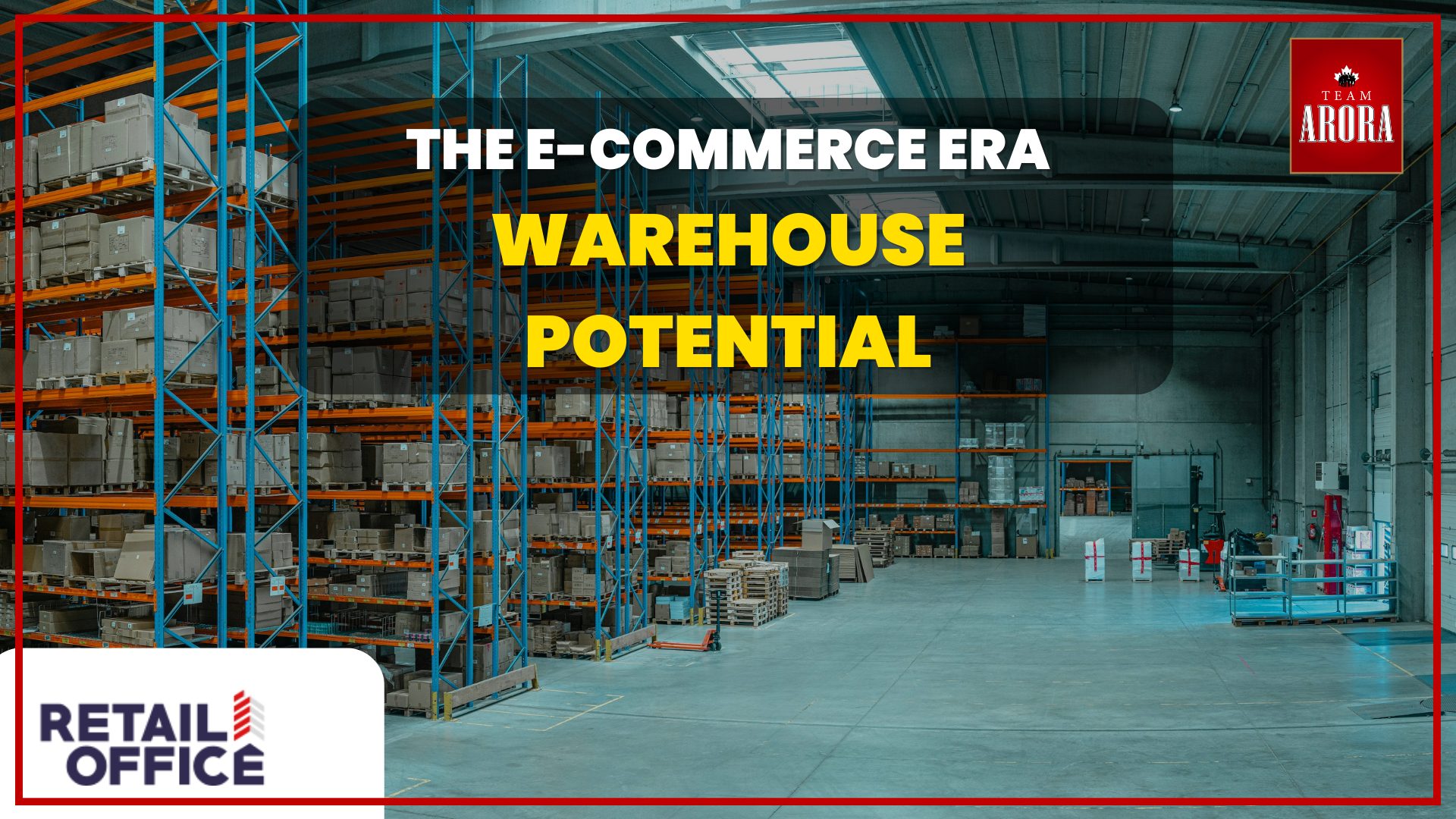
E-commerce Surge Fuels Warehouse Boom: Navigating New Real Estate Opportunities

The digital age has ushered in a revolution that has transformed the way we shop, leading to the exponential growth of the e-commerce industry. This surge has not only altered consumer behaviour but has also had a profound impact on the logistics and real estate sectors, particularly in the increased demand for warehouse spaces. As e-commerce continues to thrive, understanding its influence on warehouse demand and the implications for investors is crucial.


The Catalysts of Change

The rise of e-commerce can be attributed to several key factors. First and foremost is the convenience it offers, allowing consumers to shop from anywhere at any time. Technological advancements have also played a significant role, with improved internet access and mobile technology expanding the reach of online shopping. Additionally, the diversification of e-commerce platforms and the integration of user-friendly payment systems have further facilitated this growth. These elements combined have created a robust environment for e-commerce to flourish, driving up the demand for warehouse spaces as businesses strive to meet consumer expectations for quick and reliable deliveries.


The Shift in Warehouse Demand

The direct impact of e-commerce on warehouse demand is unmistakable. Traditional retail models typically involve goods being stored in large distribution centers before being dispatched to retail outlets. In contrast, e-commerce requires a more complex logistics model that can handle direct-to-consumer deliveries, returns, and a vast inventory of products. This has led to a surge in demand for strategically located warehouse spaces that can serve as fulfillment centers, enabling efficient processing and shipping of online orders.


Moreover, the expectation for rapid delivery times, popularized by services like Amazon Prime, has necessitated the development of a more decentralized distribution network. Companies now seek warehouses not just in remote, industrial areas but also in urban centers close to the consumer base to facilitate same-day or next-day deliveries. This shift has resulted in increased competition and premium prices for warehouse spaces in strategic locations.


Considerations for Investors

For investors looking to enter the warehouse real estate market, several factors must be considered. First is the location; warehouses close to major urban centers or with easy access to transportation networks are more desirable due to their ability to expedite shipping times. However, these locations also come with higher price tags, making it essential for investors to carefully evaluate the potential return on investment.


The technological capabilities of the warehouse are another critical consideration. In an era where speed and efficiency are paramount, warehouses equipped with advanced automation and robotics are more attractive to e-commerce businesses. These features can significantly reduce processing times and increase throughput, making a facility more competitive.


Sustainability is also becoming a key consideration in warehouse investment. With increasing awareness of environmental issues, warehouses that incorporate green practices and technologies are more appealing to businesses committed to sustainability. Features such as energy-efficient lighting, solar panels, and sustainable materials can enhance the value and attractiveness of a warehouse property.


The Future Landscape

Looking ahead, the demand for warehouse spaces is expected to continue its upward trajectory. The ongoing growth of e-commerce, fueled by emerging technologies and changing consumer preferences, will drive the need for more sophisticated and strategically located warehousing solutions. This trend presents a lucrative opportunity for investors, particularly those who are willing to innovate and adapt to the evolving needs of the e-commerce industry.


Furthermore, the potential for integrating cutting-edge technologies such as artificial intelligence, the Internet of Things (IoT), and blockchain into warehouse operations could redefine efficiency standards and open new avenues for investment. These technologies promise to enhance inventory management, streamline supply chains, and improve the overall consumer experience, further fueling the growth of e-commerce and, by extension, the demand for warehouse spaces.


The symbiotic relationship between the e-commerce industry and warehouse demand is a testament to the transformative power of digital innovation. As e-commerce continues to expand its footprint, the ripple effects on the logistics and real estate sectors are profound. For investors, the warehouse real estate market offers promising opportunities, but success requires a nuanced understanding of the dynamics at play. By focusing on strategic locations, technological capabilities, and sustainability, investors can position themselves to capitalize on the continued rise of e-commerce and its impact on warehouse demand.

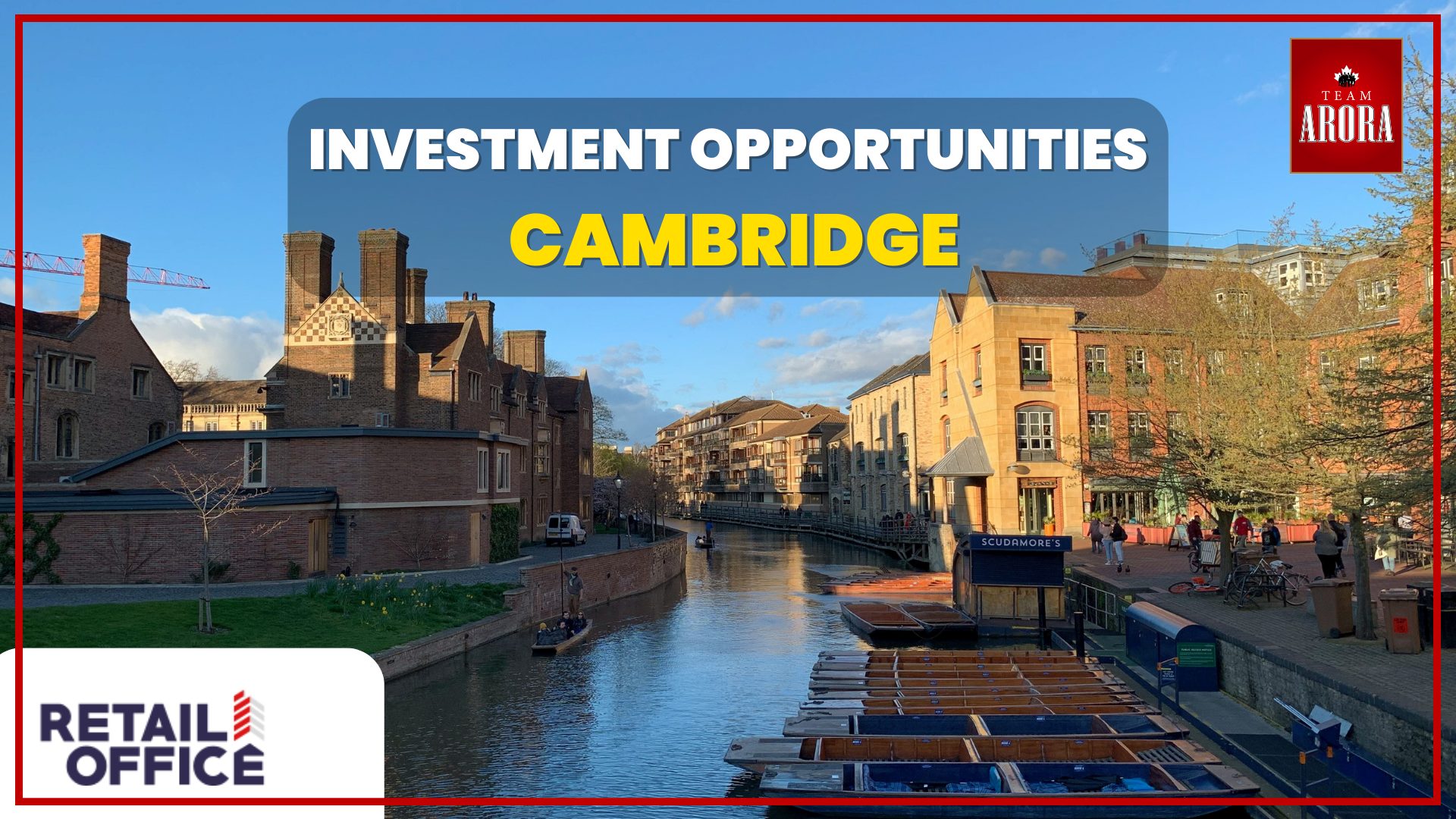
Cambridge Property Market: A Beacon of Investment Opportunities Ahead

In an era marked by rapid transformation, investing in real estate stands out as a beacon of opportunity, promising not just returns but a legacy. Amidst the evolving landscape, the resilience and potential of the property market shine brighter than ever, offering a path to financial prosperity and stability.


The Resilience of Real Estate

Despite global uncertainties, real estate has demonstrated remarkable resilience. Historically, Cambridge has retained its value and appreciated over time, making it a safe harbor for investors seeking refuge from the volatility of other markets. This enduring strength underscores real estate’s appeal, reinforcing its status as a cornerstone of any robust investment portfolio.

Technological Revolution and Real Estate

The integration of technology into real estate, from smart homes to online transactions, has streamlined the investment process, making it more accessible and transparent. Innovations in property management software and virtual tours have opened new doors for investors, allowing them to explore opportunities globally from the comfort of their homes. This digital shift not only enhances efficiency but also broadens the horizon for potential investments.


Sustainability, A Growing Priority in Cambridge

Sustainability has become a key consideration for investors, driven by a global push towards environmental responsibility and a growing consumer preference for eco-friendly living spaces. Cambridge investments in green buildings and sustainable projects not only contribute to the planet’s well-being but also offer attractive returns, as demand for such properties continues to soar.


Market Trends Favoring Investors

Current market trends present a unique opportunity for investors. With interest rates historically low, the cost of borrowing has decreased, making real estate investments more attainable. Additionally, the shift towards remote work has spurred demand for residential properties, particularly in suburban and rural areas, highlighting new growth avenues.


Cambridge, Diversification Through Real Estate

Investing in real estate offers a tangible way to diversify investment portfolios, reducing risk and providing a stable income stream through rental yields. Whether it’s residential properties, commercial spaces, or land, real estate encompasses a wide range of investment opportunities, each with its own set of advantages and potential for appreciation.


The Appeal of Rental Properties

Rental properties, in particular, offer a dual advantage: steady income through rent and long-term capital appreciation. With careful management and strategic location choices, rental properties can become a significant source of passive income, underscoring the attractiveness of real estate as an investment choice.


Success Stories

The landscape is dotted with success stories of individuals who have built wealth through real estate investment. These stories not only serve as inspiration but also as proof of the tangible benefits and achievable success within the property market. From small-scale investors flipping homes to entrepreneurs building a portfolio of rental properties, the possibilities are endless.


Navigating Challenges with Expertise

While the path to successful real estate investment can be complex, partnering with experienced professionals can help navigate the challenges. Real estate agents, financial advisors, and property managers play a crucial role in identifying opportunities, managing investments, and maximizing returns, making the journey smoother and more profitable.

The future of property investment is bright, offering a pathway to financial security, wealth creation, and a legacy. As the market continues to evolve, the opportunities for growth and success multiply, inviting investors to embark on this rewarding journey. With resilience, innovation, and sustainability at its core, real estate remains a compelling choice for those looking to make a positive impact on their future.

Are you ready to explore the boundless opportunities in real estate investment? Contact us to discover how you can unlock the door to your investment dreams and step into a future filled with potential and prosperity.


FAQs:

Q1: Is now a good time to invest in Cambridge real estate?

A1: Yes, with current market trends showing growth and the integration of technology making investments more accessible, it’s a favourable time to invest in real estate, leveraging the opportunities for both short-term gains and long-term appreciation.


Q2: How can I ensure my investment is secure?

A2: Investing through reputable agents and firms like Team Arora, known for their expertise and commitment, ensures your investment is handled professionally. Additionally, diversifying your portfolio across different types of properties can mitigate risks.


Q3: Can technology really make a difference in real estate investment?

A3: Absolutely. From virtual tours to AI-driven market analysis, technology offers unparalleled access to information, streamlines transactions, and provides insights that can inform smarter investment decisions.


Q4: How important is sustainability in today’s real estate market?

A4: Increasingly so. Sustainable properties not only contribute to environmental conservation but also appeal to a growing segment of eco-conscious buyers, enhancing the long-term value of your investment.


The journey through the dynamic landscape of real estate investment is filled with opportunities for growth, innovation, and success. As demonstrated by our esteemed clients Anna Shah and Ayesha Gordon, Team Arora stands ready to guide you through each step of this journey with professionalism, expertise, and a deep commitment to your goals.


The future of real estate investment is bright, and with the right partner, the path to achieving your investment dreams is clear. Whether you’re drawn to the allure of technology-enhanced properties, the promise of sustainable living, or the stability of a diversified real estate portfolio, Team Arora is here to turn your aspirations into reality.


Ready to explore the vibrant world of real estate investment? Contact Team Arora today and embark on a journey of opportunity, innovation, and success. Join the ranks of our satisfied clients and let us help you navigate the promising landscape of real estate investment.


Brampton’s Premier Banquet Hall, Your Ultimate Event Destination!

Welcome to Brampton, where the banquet hall industry is experiencing a remarkable surge in demand. As one of the vibrant hubs within the Greater Toronto Area (GTA), Brampton has witnessed a notable rise in the popularity of banquet halls as premier event venues. From lavish weddings to corporate gatherings and special celebrations, banquet halls have become the go-to choice for hosting memorable events in Brampton. 

This growing demand can be attributed to several factors, including Brampton’s thriving population and urbanization, coupled with its diverse and dynamic community. In this introductory overview, we’ll delve into the evolution of banquet halls in Brampton, exploring their historical roots and transition into modern event spaces. Additionally, we’ll uncover the key drivers fueling the demand for banquet halls in Brampton and provide a glimpse into the factors contributing to their ongoing growth and success in this bustling city. Join us as we uncover the rise of banquet halls in Brampton and their integral role as the ultimate event destination.

The Evolution of Brampton’s Banquet Halls

Brampton’s Premier Banquet Hall has a rich historical background that reflects the city’s vibrant culture and community. Over the years, banquet halls in Brampton have evolved from traditional settings to modern event venues, catering to the diverse preferences of residents and visitors alike.

Population Growth and Urbanization

As Brampton continues to experience population growth and urbanization, the demand for banquet halls has soared. Weddings, special events, and corporate gatherings are becoming increasingly popular, driving the need for versatile and accommodating event spaces.

The Influence of Brampton’s Community

The influence of Brampton’s diverse community cannot be overstated when it comes to banquet hall preferences. Cultural traditions, customs, and celebrations play a significant role in shaping the demand for event venues, with residents seeking spaces that resonate with their heritage and values.

Also Read: Finest Flavors: Top Indian Restaurants in Brampton

Influencer Culture and Aesthetic Appeal

The Impact of Social Media

In today’s digital age, social media and influencer culture have also impacted event planning in Brampton. People are drawn to venues that offer Instagram-worthy backdrops and unique experiences, fueling the demand for aesthetically pleasing banquet halls that cater to the modern sensibilities of guests.

Choosing the Perfect Venue

Factors to Consider

When selecting the perfect venue in Brampton, several factors come into play. The location of the banquet hall is crucial, with accessibility and proximity to transportation hubs being key considerations for guests. Additionally, factors such as capacity, amenities, and ambiance play a vital role in ensuring a memorable event experience for attendees.

Blending Tradition with Modernity

Trends in Design and Décor

In terms of design and décor, banquet halls in Brampton are embracing modern trends while also honoring traditional elements. From sleek and contemporary spaces to opulent and elegant settings, there is a diverse range of options available to suit every style and preference.

Brampton’s Premier Banquet Hall

Overall, Brampton’s Premier Banquet Hall offers a dynamic and versatile event experience, reflecting the city’s rich cultural tapestry and catering to the evolving needs of its residents and visitors. Whether you’re planning a wedding, corporate event, or special celebration, Brampton’s banquet halls provide the perfect backdrop for unforgettable moments.

FAQs (Frequently Asked Questions) about Banquet Halls in Brampton

Q1. What is the average cost of renting a banquet hall in Brampton?

A1. The average cost of renting a banquet hall in Brampton can vary depending on factors such as the size of the venue, amenities provided, and the date and time of the event. Generally, prices range from [insert average cost range] per hour or per event.

Q2. How far in advance should I book a banquet hall for my event in Brampton?

A2. It is recommended to book a banquet hall in Brampton as early as possible to secure your desired date and time. Typically, booking at least [insert recommended timeframe] in advance ensures availability and allows ample time for planning and coordination.

Q3. Can I bring in my own vendors or do I need to use vendors recommended by the venue in Brampton?

A3. Many banquet halls in Brampton offer flexibility when it comes to vendors. While some venues may have a list of preferred vendors, others allow clients to bring in their own vendors. It’s essential to clarify the venue’s policies regarding vendors when booking your event.

Q4. Are there any restrictions on decorations or catering options at banquet halls in Brampton?

A4. Each banquet hall in Brampton may have its own set of guidelines and restrictions regarding decorations and catering options. It’s essential to discuss your specific requirements and preferences with the venue management to ensure compliance with their policies.

As Brampton’s banquet halls continue to evolve and meet the diverse needs of its residents and visitors, it’s clear that these venues play a crucial role in the city’s vibrant event scene. With a rich historical background, modern amenities, and a commitment to excellence, Brampton’s premier banquet hall stands out as the ultimate destination for weddings, corporate events, and special celebrations.

Whether you’re planning a grand wedding reception or an intimate corporate gathering, Brampton’s banquet halls offer versatility, convenience, and elegance. We invite you to explore the wide range of options available and choose Brampton as the setting for your next memorable event. Contact us today to learn more and start planning your unforgettable experience.

Elevate Your Business with Prime GTA Office Space and Land Opportunities

GTA, Ontario’s bustling metropolis, pulsates with entrepreneurial energy. As businesses of all sizes seek to establish or expand their footprint, the demand for premium office space and land parcels thrives. At Retail-N-Office, we’re your trusted partner in navigating this dynamic landscape, helping you secure the ideal location to propel your success.

Prime Locations, Unmatched Potential

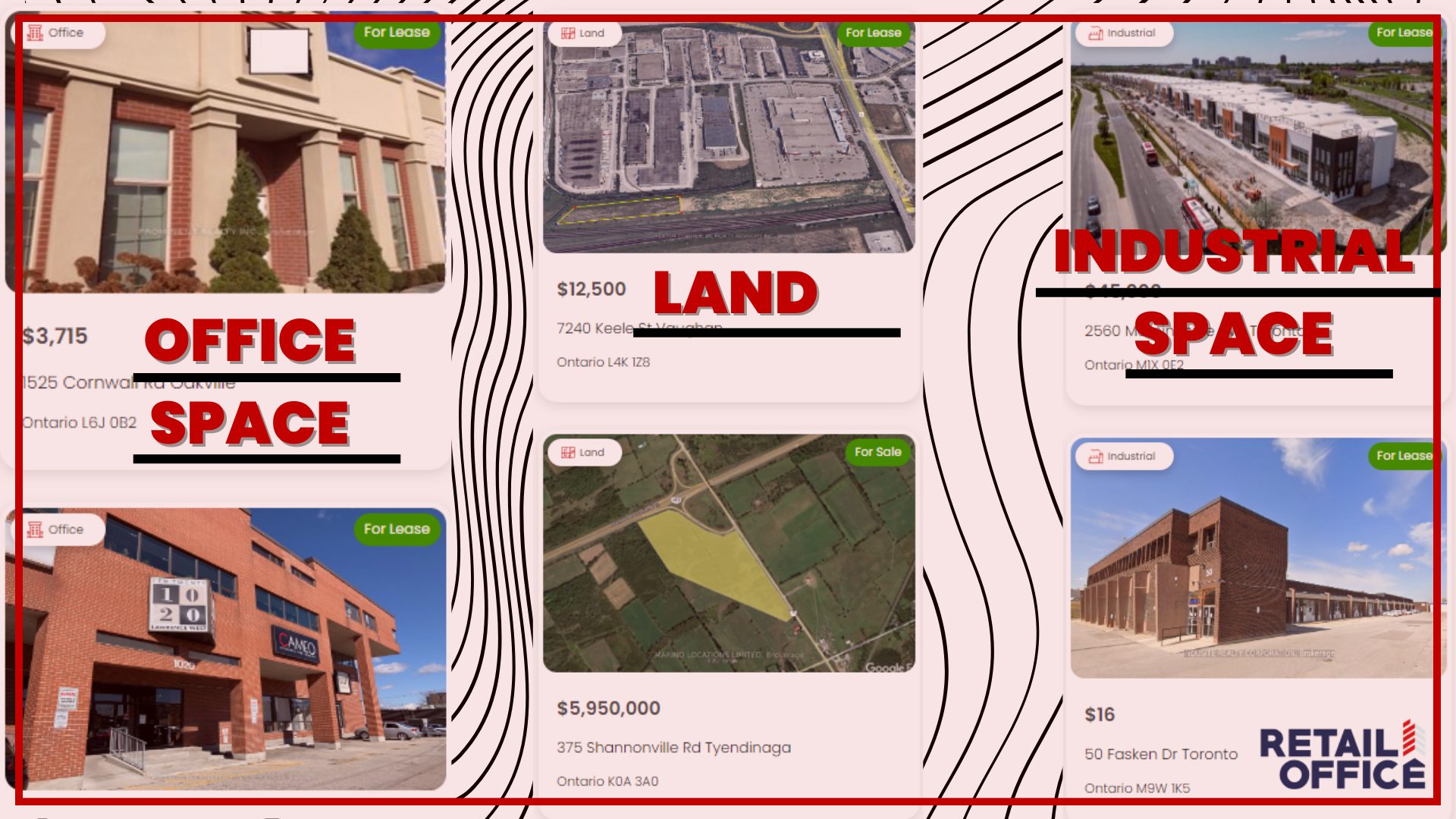
Whether you envision a sleek skyscraper office suite overlooking the cityscape or a sprawling land development poised for growth, Retail-N-Office offers an exclusive portfolio of premium properties. We curate a selection of:

  • Downtown Office Spaces: Immerse yourself in the heart of GTA’s business district, where networking opportunities abound and proximity to vital services fuels productivity. Picture modern glass towers with panoramic views, state-of-the-art amenities, and convenient access to transit.
  • Suburban Office Hubs: Find a haven for focus and collaboration in established suburban business districts. These locations offer ample parking, proximity to residential areas, and a comfortable, community-oriented atmosphere.
  • Development-Ready Land Parcels: Unleash your vision on strategically located land parcels zoned for various commercial and office uses. Whether you seek to build a new headquarters, create a mixed-use development, or establish a retail hub, our curated selection offers unmatched potential.

Beyond Location: A Spectrum of Services

At Retail-N-Office, we go beyond simply connecting you with the perfect space. We understand that every business has unique needs, and we’re dedicated to providing comprehensive support throughout your journey. Our expertise encompasses:

Expert Market Analysis: Our team of seasoned professionals provides insightful market data and trends, helping you make informed decisions based on your specific requirements and future ambitions.

Negotiation and Lease Structuring: We act as your advocate, securing the best possible terms and lease agreements that align with your long-term goals.

Property Management and Leasing Services: From tenant coordination and building maintenance to marketing and lease renewals, we take care of the operational aspects, allowing you to focus on what matters most – running your business.

Development Partnerships: For land development projects, we offer strategic guidance and partner with you to navigate the zoning, permitting, and construction processes.

Investing in Your Future

Finding the right office space or land parcel is an investment in your company’s future. At Retail-N-Office, we understand the significance of this decision and are committed to helping you unlock your full potential. We collaborate with you to identify your specific needs, assess your budget, and present options that perfectly align with your vision.

FAQs:

Q1: What property types does Retail-N-Office specialize in?

A1: We focus on premium office spaces, including downtown towers, suburban office hubs, and development-ready land parcels zoned for commercial and office uses.

Q2: Do you offer lease financing options?

A2: While we don’t directly provide financing, we partner with reputable lenders to help you secure competitive financing solutions.

Q3: What additional services do you offer?

A3: We provide comprehensive property management and leasing services, tenant coordination, building maintenance, marketing assistance, and strategic guidance for development projects.

Q4: How can I get started?

A4: Contact us today for a free consultation! Our team will be happy to discuss your needs and showcase our curated portfolio of properties.

Embrace the possibilities with Retail-N-Office. Let’s find the perfect space to launch your GTA success story.

Contact us today:

Website: https://retailnoffice.com/listings/?widget_id=4&kind=0&sf_select_property_type=13 

Phone: 416.910.8923

Office: 905.488.1260

Fax: 905.456.1107

Email: [parveen@teamarora.com]

Land Use Planning: Shaping the Future of Communities!

Discovering the Vital Role of Land Use Planning

Land Management is like a roadmap that shapes how our communities will grow and evolve in the future. It’s a strategic way of managing and organising our land. Think of it as a thoughtful plan that carefully decides what each piece of land should be used for – whether it’s for homes, schools, parks, or businesses. This planning method ensures that our towns and cities grow in a way that’s both efficient and environmentally friendly, preserving the natural beauty of our surroundings while improving our quality of life.


The Role of Land Planning in Community Development

Effective land planning plays a pivotal role in shaping vibrant, resilient, and inclusive communities. It involves a multifaceted approach encompassing zoning regulations, urban design guidelines, infrastructure development, environmental conservation, and public participation. These elements collectively contribute to the creation of liveable and sustainable spaces.

Challenges and Considerations in Land Management

Balancing the interests of various stakeholders, managing urban sprawl, addressing affordable housing needs, and mitigating environmental impact are some of the challenges in land planning. Striking a harmonious equilibrium between development and preservation is crucial to overcoming these challenges.

Best Practices for Effective Land Use Planning

Promoting mixed-use development, adopting transit-oriented development (TOD) principles, incorporating green building practices, and integrating smart city technologies are key strategies for effective land planning. These practices foster environmentally friendly and socially inclusive communities.

The Future of Land Planning: Adapting for Sustainable Development

The future of land planning lies in embracing sustainable and resilient development practices. Adapting to changing demographics, lifestyles, and technological advancements is imperative. Harnessing innovation while prioritising sustainability will shape the landscape of future communities.

Case Studies: Showcasing Successful Land Management Initiatives

Highlighting successful projects and initiatives that have effectively implemented land use planning strategies. These include sustainable city development projects, urban regeneration initiatives, and innovative rural development strategies.

Stakeholders and Collaborations in Land Use Planning

Discussing the vital role of various stakeholders such as government bodies, private developers, businesses, and community engagement groups in driving successful land planning. Collaboration among these entities is essential for comprehensive and sustainable development.

Evaluating the Impact and Success of Land Use Planning

Examining methods to evaluate the effectiveness of land use plans through metrics and indicators. Assessing the social, economic, and environmental impacts to adapt plans to changing needs and circumstances.


Assessing the success and effectiveness of land planning is crucial in ensuring its impact aligns with the needs of communities. Here’s a discussion tailing the exploration of these evaluations:

Evaluating the effectiveness of land use planning is akin to reviewing its accomplishments and determining if it truly serves the intended purposes. Metrics and indicators serve as yardsticks to measure this success. These metrics delve into various aspects, touching upon social, economic, and environmental factors, providing a comprehensive analysis.

Measuring Success: Metrics and Indicators

Land use planning effectiveness hinges on quantitative and qualitative measurements. Metrics such as population density, infrastructure development, and land allocation efficiency play a crucial role. These metrics enable planners to gauge the utilisation of land resources, identifying any inefficiencies or overuse and helping to rectify them.

Qualitative indicators, on the other hand, assess the qualitative aspects of the plan’s success. This could encompass community satisfaction, quality of life improvements, and preservation of cultural heritage. These subjective measures gauge the societal and cultural impact of the plan, reflecting the broader sense of well-being.

Assessing Social, Economic, and Environmental Impacts

Land Management evaluations should encompass multifaceted impacts. Social factors focus on how the plan contributes to community well-being, including accessibility to amenities, social cohesion, and inclusivity.

Economic indicators delve into the financial impact, considering aspects like property values, economic growth, job opportunities, and tax revenues. This evaluation helps assess the economic health and sustainability of the community.

Environmental impact assessments gauge the plan’s effects on natural resources, biodiversity, climate resilience, and sustainability. It aims to maintain a balance between development and conservation, ensuring environmental stewardship.

Adapting Plans for Changing Needs and Circumstances

Given the dynamic nature of communities, it’s pivotal to adapt land use plans to evolving needs and circumstances. This adaptability ensures that plans remain relevant and effective over time.

Periodic reviews and updates to land use plans are essential. These reviews should involve community engagement, incorporating feedback from residents, businesses, and stakeholders. This collaborative approach ensures that plans are responsive to changing demographics, technological advancements, and environmental considerations.

In essence, effective land planning hinges on ongoing evaluation, embracing the evolving needs of communities, and ensuring that plans remain flexible and responsive to change.


FAQs on Land Use Planning

  1. What is the primary goal of land use planning? Ans: Land Management aims to regulate the use and development of land to create sustainable, functional, and cohesive communities. Its primary goals include   e efficient land allocation, environmental preservation, infrastructure development, and fostering communities that are economically viable and socially equitable.
  2. How does land planning affect property values in a community? Ans: Well-executed land planning can positively impact property values by ensuring a balanced and appealing environment. Effective planning that incorporates green spaces, amenities, and well-connected infrastructure can enhance property values. However, inadequate planning, zoning issues, or lack of amenities may negatively impact property values.
  3. What are the common challenges in implementing land use plans? Ans: Several challenges may arise during the implementation of land use plans. Common issues include conflicting interests among stakeholders, resistance to change, financial constraints, regulatory hurdles, and the complexity of integrating diverse perspectives into a cohesive plan.
  4. How can individuals get involved in community land use planning decisions? Ans: Community involvement in land management is crucial. Individuals can participate by attending public meetings, providing input during community consultations, joining local planning committees or neighbourhood associations, and expressing their opinions to local authorities or planning departments. Engaging in discussions and staying informed about proposed developments can empower individuals to contribute to decision-making processes.

Citation: https:

https://trreb.ca/index.php/market-news/housing-market-charts 

Retail Revolution: Embracing Technology for Success in the Digital Age

In today’s fast-paced and interconnected world, the retail landscape is undergoing a profound transformation, driven by technological advancements. This metamorphosis has revolutionized the way consumers shop and interact with brands, presenting both challenges and opportunities for retailers. Embracing technology has become a fundamental necessity for success in the digital age, allowing businesses to adapt to evolving consumer behavior and stay competitive in a rapidly changing market.

Embracing the Retail Revolution

The Evolution of the Retail Industry: Technological advancements have been instrumental in reshaping the retail sector, driving a shift from traditional brick-and-mortar stores to digital platforms. This transformation has significantly altered consumer behavior, expectations, and the way businesses operate.

Impact of Technology on Consumer Behavior: The proliferation of technology has empowered consumers, offering convenience, personalization, and seamless experiences. It has influenced shopping habits, leading to increased expectations for immediacy, personalization, and accessibility.

The Significance of Adapting to Technological Change: In an increasingly competitive landscape, the urgency for retailers to embrace digital transformation is paramount. Those who fail to adapt risk falling behind, while those who innovate thrive in meeting customer demands and staying ahead of the curve.

Technology’s Transformative Power in Retail

The Rise of E-commerce: The exponential growth of online shopping has disrupted traditional retail models, prompting businesses to establish a strong online presence and rethink their strategies to compete effectively.

The Emergence of Omnichannel Retail: The integration of online and offline channels has become imperative to provide a unified shopping experience, enabling customers to seamlessly transition between various touchpoints.

The Role of Artificial Intelligence (AI): AI’s applications in retail span from personalized recommendations and predictive analytics to enhancing customer service, revolutionizing how retailers engage with consumers.

Data-Driven Retail: Power of Information

Leveraging Customer Data: Collecting and analyzing customer data provides invaluable insights into preferences, behaviors, and buying patterns, allowing retailers to tailor offerings and marketing strategies.

Data-Driven Decision-Making: Strategic decisions informed by data analytics across the retail spectrum can drive business growth, improve operations, and refine marketing strategies.

Addressing Data Privacy and Security: With great access to customer data comes the responsibility to safeguard it. Implementing robust data governance practices is crucial to earning and maintaining consumer trust.

Technological Innovations Enhancing the Retail Revolution

Augmented Reality (AR) and Virtual Reality (VR): These technologies offer immersive and interactive experiences, allowing customers to visualize products and engage with brands in innovative ways.

Mobile Technology and M-commerce: Smartphones and mobile apps play an increasingly pivotal role in shopping, enabling convenience, personalization, and instant access to products and services.

In-Store Technology: Digital signage, self-checkout kiosks, and personalized recommendations elevate the in-store experience, blending technology seamlessly into physical retail spaces.

Case Studies: Retailers Thriving in the Digital Age

Amazon: As a pioneer in e-commerce and omnichannel retail, Amazon’s success lies in its customer-centric approach and technological innovations.

Nike: Leveraging technology for personalized experiences, Nike utilizes data and innovation to engage consumers at a deeper level.

Sephora: Embracing AR and VR, Sephora has revolutionized the beauty retail industry by offering immersive experiences and personalized services.

Starbucks: Utilizing mobile technology, Starbucks enhances customer engagement through its app, loyalty programme, and convenience-driven features.

Strategies Variation in Changing Retail Landscape

Embracing a Digital-First Mindset: Prioritizing digital transformation across all aspects of the business fosters agility and responsiveness to changing consumer demands.

Investing in Technology Infrastructure: Building a robust technological foundation supports innovative initiatives and ensures scalability.

Fostering a Culture of Innovation: Encouraging creativity and experimentation within the workforce enables continuous adaptation and improvement.

Upskilling and Reskilling Employees: Equipping employees with digital skills is crucial for them to thrive in a technology-driven retail environment.

Challenges and Opportunities in the Digital Retail Space

Navigating Technological Changes: Staying updated with emerging trends is critical for retailers to remain competitive and relevant in an ever-evolving market.

Data Privacy and Security: Ensuring stringent measures to protect customer data and complying with evolving regulations are essential for maintaining trust.

Addressing Cybersecurity Threats: Safeguarding against cyber threats and data breaches is an ongoing challenge that requires proactive measures.

Bridging the Digital Divide: Addressing disparities in access to technology is vital to ensure inclusivity in the digital retail landscape.

Looking Ahead: The Future of Retail Revolution

The Rise of Voice Commerce: Voice-based technologies are poised to reshape shopping experiences, offering convenient and conversational interfaces for consumers.

AI and Machine Learning Integration: These technologies will continue to drive personalization, automation, and predictive analytics, enabling retailers to offer more tailored experiences.

The Growth of Social Commerce: Social media platforms are becoming powerful shopping destinations, blurring the lines between social interaction and purchasing.

The Importance of Sustainability: Embracing eco-friendly practices and sustainable supply chains will play an increasingly significant role in shaping consumer preferences.

Frequently Asked Questions (FAQs)

Q 1. What are the key technological trends shaping the future of retail?

A 1. Key Technological Trends: AI, AR/VR, omnichannel integration, and voice commerce are key trends shaping the future of retail.

Q 2. How can retailers successfully implement digital transformation?

A 2. Implementing Digital Transformation: Successful implementation involves a holistic approach, prioritizing customer experience, and fostering a culture of innovation.

Q 3. What are the challenges and opportunities associated with technology in retail?

A 3. Challenges and Opportunities: Challenges include data security and keeping pace with technology, while opportunities lie in personalized experiences and improved efficiency.

Q 4. What are some examples of retailers effectively using technology to enhance the customer experience?

A 4. Retailers Using Technology: Amazon, Nike, Sephora, and Starbucks are exemplary in leveraging technology to enhance customer experiences.

Q 5. What are the essential steps for retailers to prepare for the future of retail?

A 5. Essential Steps for Retailers: Prioritize digital innovation, invest in infrastructure, foster innovation, and upskill employees for future readiness.

In conclusion, the retail revolution propelled by technology offers boundless opportunities for those willing to adapt and innovate. By embracing technological advancements, prioritizing customer-centric strategies, and fostering a culture of innovation, retailers can navigate the dynamic digital landscape, ensuring their relevance and success in the evolving market.

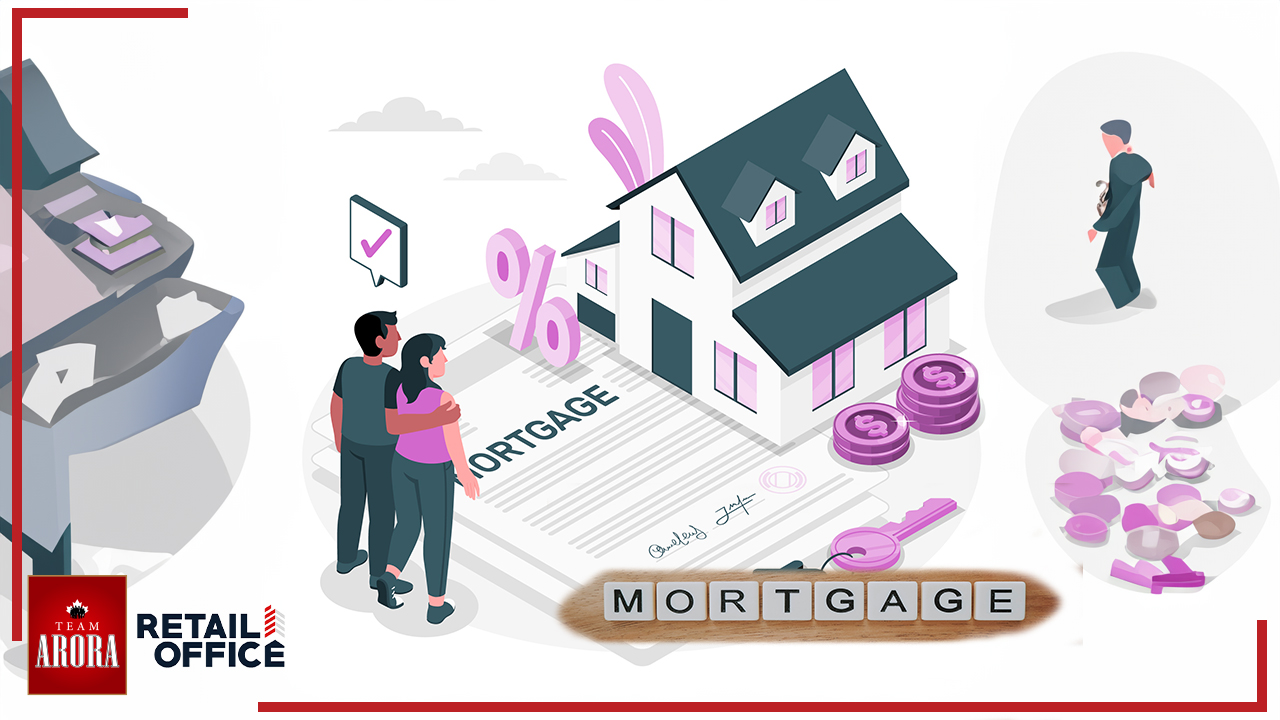
Navigating the Real Estate Landscape Amidst High Mortgages and Government Pressures

In the ever-changing realm of real estate, where dreams of homeownership collide with economic realities, the current market scenario presents both challenges and opportunities. As high mortgage rates persist and the government intensifies its focus on the local populace, let’s delve into how prospective buyers and sellers can navigate this complex landscape.

The Rising Tide of High Mortgages: A Reality Check

As prospective homeowners eagerly explore their options, the challenge of high mortgage rates looms large. The dream of owning a home has always been accompanied by the financial burden of a mortgage, but the current climate has elevated this concern to new heights. The driving force behind these soaring rates can be attributed to a variety of factors, including fluctuating economic conditions, interest rate hikes, and evolving global financial dynamics. As a result, potential buyers are facing the tough decision of whether to lock into a high mortgage rate or wait for a more favorable opportunity.

Government Pressure and Local Realities

Adding another layer of complexity to the real estate equation is the government’s strategic focus on managing expenses while prioritizing the local audience. As governments grapple with economic challenges, the weight is often shifted to citizens through various policies and regulations. This approach, while aiming to stabilize finances, can impact the real estate market by influencing demand, affordability, and investment sentiment.

Navigating the Market: Strategies for Buyers

Research and Patience: With high mortgages at the forefront, meticulous research becomes your strongest ally. Take the time to understand market trends, interest rate projections, and the potential impact of government measures on the real estate landscape. Patience is key – waiting for more favorable mortgage rates or property prices could yield significant long-term benefits.

Financial Preparedness: In a market marked by high mortgages, financial preparedness is essential. Strengthen your credit score, save for a substantial down payment, and ensure you have a clear understanding of your budget constraints. This not only enhances your chances of securing a better mortgage rate but also safeguards you against unexpected market shifts.

Expert Guidance: Collaborate with seasoned real estate professionals who possess a deep understanding of the local market dynamics. They can provide valuable insights, guide you through the complexities of mortgage options, and help you make informed decisions.

Adapting Strategies: Advice for Sellers

Pricing Realism: In a high mortgage market, sellers need to adopt realistic pricing strategies. While the temptation to maximize profits is strong, an inflated price tag might deter potential buyers. Collaborate with a real estate agent who can assess market conditions and recommend a competitive yet reasonable listing price.

Property Presentation: To stand out in a competitive market, present your property in the best possible light. Invest in necessary repairs, stage the property effectively, and consider highlighting features that align with current buyer preferences.

Timing Considerations: Timing is crucial in any real estate market, and the scenario of high mortgages underscores this fact. Collaborate with your real estate agent to identify optimal listing periods and leverage seasonal trends to your advantage.

Conclusion: Navigating with Insight and Patience

As high mortgage rates persist and government pressure shapes the local landscape, navigating the real estate market demands insight, patience, and adaptability. For buyers, diligent research and financial preparation are essential, while sellers can leverage strategic pricing and property presentation. Ultimately, success lies in understanding the market’s ebb and flow, while also remaining attuned to government policies that shape the path ahead. Through informed decisions and a resilient mindset, both buyers and sellers can find their way amidst the challenges and opportunities of today’s real estate arena.

Risk Management Strategies In Uncertain Real Estate Market Conditions

As local and global markets become increasingly uncertain it is more important than ever that retail investors and tenants have effective strategies to manage risk in place. This blog post will identify key risk management strategies that can be used to ensure long-term sustainability for both sides of the real estate equation amidst today’s unpredictable economic landscape. We’ll explore how these tactics can benefit investors as well as tenant business owners–sharing insight from experienced market veterans, robust research data, and advice from professionals on the ground. Discovering the right balance between growth – and profit potential while considering short-term loss mitigation is needed now more than ever – Read on to see what you need to know about mitigating unwanted risks without sacrificing desired returns or desirable tenancy outcomes.

Assess your current risk profile and how it may be affected by uncertain market conditions 

As a savvy investor, regularly assessing your risk profile is a wise strategy to ensure that your investments align with your goals and objectives. With uncertain market conditions, this becomes even more critical. By evaluating your risk tolerance, investment goals, and current portfolio, you can determine your existing risk profile and make any necessary adjustments to better prepare for market fluctuations. It’s important to remember that risk tolerance is subjective and can change over time, so routinely re-evaluating your risk profile can set you up for success in any market conditions.

Develop strategies to manage those risks, such as diversifying your portfolio, investing in resilient asset classes, and hedging against potential losses 

Investing is a long time beneficial process that includes risk, so learning about management is crucial. While we cannot predict the future, there are ways to mitigate potential losses and protect our portfolios. One effective strategy is diversification, which involves spreading out investments across different asset classes and industries. This can help to offset any negative impact that one investment may have on the overall portfolio. Additionally, investing in resilient asset classes, such as healthcare or utilities, can provide stability during times of economic uncertainty. Finally, hedging against potential losses through options, futures, or other financial instruments can further safeguard investments. By implementing these risk management strategies, investors can protect themselves and potentially increase their overall returns in the long run.

Implement measures to reduce the possibility of tenant default, including credit checks and other screening procedures

As a property owner or manager, reducing the possibility of tenant default is a crucial aspect of maintaining a successful business. Implementing measures such as credit checks and thorough screening procedures can greatly mitigate the risk of tenants defaulting on payments or damaging the property. Not only does this ensure a consistent and dependable income stream, but it also helps to build trust and long-term relationships with tenants. By taking a professional and diligent approach to tenant screening, the risk of default can be greatly reduced, allowing for a more secure and profitable business model.

Utilize technology to monitor any changes in the market or performance of properties in your portfolio 

As a professional in the real estate industry, it’s important to stay on top of any changes in the market or the performance of properties in your portfolio. Fortunately, technology has made this task easier than ever before. By utilizing the latest software and data analysis tools, you can quickly and accurately monitor everything from rental rates and occupancy levels to local market trends and macroeconomic indicators. This information can help you make more informed decisions about how to manage your properties, optimize your rental income, and stay ahead of the competition. Whether you’re a seasoned real estate investor or just getting started in the industry, leveraging technology is an essential component of your success.

Establish a comprehensive insurance policy that covers potential losses from tenant default 

As a property owner, it’s vital to protect your investment from any risks that may come your way. One such risk is the possibility of tenants defaulting on their rent payments. That’s why establishing a comprehensive insurance policy that covers potential losses from tenant default is crucial. Such a policy will give you peace of mind knowing that in the event of tenant default, you’ll be covered for any financial losses. Moreover, having this policy in place demonstrates a responsible and proactive approach to managing your property investments. So consider taking this critical step to safeguard your investment by seeking out an insurance policy that covers tenant defaults.

Create financial contingency plans to prepare for unexpected costs associated with managing retail real estate investments

Planning is especially true in the realm of retail real estate investments, where unexpected costs can arise at any moment. To ensure that you’re prepared for anything, it’s important to create financial contingency plans in advance. By doing so, you’ll be able to anticipate potential issues and have a clear strategy for mitigating any unforeseen expenses that may come your way. Whether it’s allocating funds to cover unexpected maintenance costs or having a reserve set aside for emergency repairs, having a solid financial contingency plan in place will help you successfully manage your retail real estate investments and weather any unforeseen financial storms that come your way.

In conclusion, retail real estate investment can be a viable route for those with the resources and knowledge to properly manage risk. However, in order to ensure long-term sustainability, it is essential to create an effective risk management strategy. By understanding current market conditions, diversifying your portfolio, utilizing technology to monitor properties and changes in the market, establishing insurance policies, and creating financial contingency plans, you can mitigate risk associated with retail real estate investment. However, these are just a few of the measures investors should take in order to minimize any setbacks they may face amid uncertain market conditions and help ensure that their investments remain profitable. With the right plan of attack and proper implementation of these strategies, retail real estate investors will be able to reap the rewards of this asset class in the years ahead.

Greater Toronto Area, Ontario Is Developed Areas To Explore

Are you looking to buy a house in the Greater Toronto Area? Maybe you want to explore becoming an entrepreneur and opening your own business. Regardless of your ambitions, there’s one thing we can all agree on: Toronto, Ontario is THE place to be! This developed city has been growing rapidly for years now, offering homeowners incredible amenities with unparalleled cultural experiences. And even if owning or renting isn’t something that interests you right now, it’s worth taking a look at why so many people are turning towards this bustling metropolis – here are 10 reasons why buying a home near Toronto is such a great opportunity.

Why people should invest in Toronto, Ontario

Investing in Toronto, Ontario is an opportunity that should not be overlooked. With a thriving economy and a growing population, this metropolitan city offers not only a diverse cultural experience but also a promising return on investment. Toronto consistently ranks as one of the top cities in the world in terms of livability, with an excellent transportation system, world-class education, and healthcare facilities. Furthermore, as the economic hub of Canada, Toronto is home to numerous international companies, making it a hotspot for business and job opportunities. By investing in Toronto, you are not only contributing to your personal financial growth but also to the prosperity of one of the most dynamic cities in the world.

Proximity to Major Cities and Parks

When it comes to choosing a new place to live, the location is everything. And what could be better than living in an area that offers both the excitement of a major city and the tranquility of a national park? That’s exactly what you’ll get when you choose to live in a community that boasts proximity to both. Imagine the convenience of being just a short drive away from all the cultural experiences, job opportunities, and entertainment options that a bustling city has to offer. Then, when you need a break from the hustle and bustle, simply head out into nature and enjoy a hike, a picnic, or some relaxing time by the water. This is the perfect combination for anyone who wants to have the best of both worlds. So if you’re ready to experience the ultimate blend of urban and natural living, make sure to choose a location that offers proximity to both major cities and parks.

Quality Education and Health Care Services

Access to quality education and healthcare services isn’t just a privilege but a necessity for a thriving society. Investing in these sectors is an investment in our collective future. Quality education lays the foundation for a knowledgeable and skilled workforce, leading to economic growth and stability. Similarly, quality healthcare services ensure good health, allowing individuals to perform to their optimal potential. However, access to these services shouldn’t be reserved for a select few. It should be available to all, regardless of socioeconomic background. It’s time we push for policies that prioritize the provision of quality education and healthcare services. Let’s work towards building a society that prioritizes the well-being and success of all its members.

Variety of Activities for All Ages

Are you tired of scrolling through endless activity options, trying to find something that everyone in your family will enjoy? Look no further than our selection of activities designed for all ages! Bond with your little ones over a fun and interactive craft project or challenge your teenagers to a game of laser tag. Not only do we offer a variety of options for different age groups, but each activity is tailored to engage and excite participants. Don’t settle for a mundane weekend – come experience the thrill of our diverse range of activities!

Abundance of Shopping Opportunities

This city boasts an abundance of shopping opportunities waiting to be explored! From upscale boutiques to trendy thrift shops, there’s something for every style and budget. Don’t settle for mediocrity – treat yourself to an exciting and diverse shopping experience. You’ll discover unique finds and support local businesses along the way. So grab a friend, make a day of it, and indulge in all the shopping paradise our city has to offer.

In High-Interest Rate Still Budget Friendly Living Compared to Other Cities

Are you tired of stretching every cent of your paycheck just to get by in the big city? Look no further than Headline Five. Our town boasts a remarkably low cost of living compared to other cities, allowing you to live comfortably within your means. Imagine having the financial freedom to pursue your dreams and hobbies without constantly worrying about the bottom line. With affordable housing, low utility costs, and a plethora of affordable dining and entertainment options, the savings will add up in no time. Don’t let the high costs of city living hold you back any longer. Make the move to Headline Five and live life on your terms.

Toronto is one of the best places to buy a home if you are looking for an urban experience. It has all the big city benefits without the usual drawbacks of pricey housing, high taxes, and congestion. There is something here for everyone – from proximity to major cities and parks to quality education and health care services, from a variety of activities for all ages to a wealth of shopping opportunities; it’s no surprise why Toronto is such an attractive option. Plus, with its low cost of living compared to other cities in Ontario, you can be sure you will get the most bang for your buck. So whether you’re looking for amazing nightlife, a picturesque suburban place to call home, or just an accessible place surrounded by some fun activities, you should definitely consider Toronto.

Never Take Lightly These Three Things In Commercial Property Toronto

Physical Inspection

Make sure to inspect the physical condition of the property before buying or leasing it.

When it comes to buying or leasing a commercial property in Toronto, one of the most important steps is to conduct a thorough physical inspection. This process involves taking a close look at the property’s overall condition, from the exterior to the interior, to ensure that there are no major issues or concerns. It’s important to check for common problems such as water damage, mold, leaks, cracks, pest infestations, and structural topics. A physical inspection provides critical insights into the property’s overall value and helps buyers and lessees make informed decisions. Failing to conduct a thorough inspection can lead to costly repairs and unexpected surprises down the line, so it’s essential to take this step seriously.

Evaluate Lease Agreements 

Know the terms and conditions of any lease agreements that may be attached to a commercial property purchase.

It’s crucial to thoroughly evaluate any lease agreements that may be included in a commercial property purchase. These agreements can often have a significant impact on the value of the property and should not be taken lightly. Understanding the terms and conditions of the lease is crucial in determining the profitability and viability of the property. Don’t be afraid to seek legal advice and ask questions before making a final decision. Taking the time to evaluate lease agreements properly can save you from potential future headaches and financial losses.

Seek Professional Advice 

Obtain advice from professionals, such as lawyers or accountants, to ensure you understand all aspects of owning or leasing a commercial property before making a decision.

As you consider owning or leasing a commercial property, seeking guidance from professionals can save you both time and money in the long run. Lawyers and accountants are well-equipped to help you understand the nuances of contracts, taxes, and regulations that come with commercial real estate ownership. Their expertise can help you make informed decisions and avoid costly mistakes. Remember, owning or leasing a commercial property is a significant investment, so it’s crucial to make sure you have all the information you need to protect yourself and your business. Don’t hesitate to seek out professional advice before making any final decisions regarding your commercial property in Toronto.


Ultimately, when considering a commercial property purchase or lease, you must take great care in appraising the property for its suitability and profitability. It’s essential to gain insight into market conditions and the ins and outs of ownership so that you can make an informed decision. Take the time to define your investment criteria, conduct some market research on the area, analyze the financials of the property, and carefully inspect physical premises. Evaluate all lease agreements attached to the commercial property and seek professional advice from qualified professionals such as lawyers or accountants to ensure you understand the considerations of owning or leasing a commercial property before making a commitment. With proper knowledge, research, and due diligence – you will be able to assess if a potential property is right for you.

Discover What Our Satisfied Customers Say About Our Business For Sale Listings

Are you in the market for a business opportunity? Have you been searching for one-of-a-kind investment opportunities to add to your portfolio? Consider our sold listings as we have earned the praises of countless satisfied customers and investors! Through an exploration of our customer’s reviews and stories, get a unique insight into what makes us stand out from other business brokerages. Choose the best opportunity that fits your specific needs with confidence knowing we provide results driven solutions backed by robust customer satisfaction models. Discover why so many entrepreneurs choose our business services today!

Introduce the topic of customer feedback on our business for sale listings

At our business, we value the opinions of our customers. That’s why we’re always looking for ways to improve our service and meet their needs. When it comes to our business for sale listings, we want to make sure that we’re providing the best possible experience for both buyers and sellers. That’s where customer feedback comes in. By listening to what our customers have to say, we can make informed decisions on how to improve our business listings and ensure that they are meeting the needs of our customers. So whether you’re a buyer or a seller, we want to hear from you. Your feedback is valuable to us, and we’re committed to using it to make our business even better.

Review
Review by Argenis Bermudez

One of the recent reviews, All over experience

“Mr. Arora and his team exceeded our expectations in every way. From the initial consultation to the final sale of our property, their level of professionalism and dedication was outstanding. They provided us with expert guidance and support throughout the entire process.

What impressed us the most was their commitment to achieving a successful sale for property. They went above and beyond, leveraging their extensive network and marketing expertise to attract qualified buyers. Their strategic approach and attention to detail resulted in a smooth and efficient transaction.

Not only did Mr. Arora and his team deliver excellent results, but their customer service was exceptional. They were always available to address our questions and concerns, providing prompt and clear communication. Their willingness to accommodate our schedule and adapt to our needs demonstrated their commitment to exceptional customer service.

We highly recommend their services to anyone looking to buy or sell a commercial property. Their in-depth market knowledge, professionalism, and personalized approach make them a top choice in the industry. Thank you to Mr. Arora and the entire team for their outstanding support and helping us achieve a successful sale.”


Our clients consistently express satisfaction with the wide selection and high quality of businesses we have available for sale. Our extensive experience in assisting entrepreneurs in finding their ideal businesses has resulted in numerous successful outcomes, and we have tailored our services to prioritize customer convenience. Ultimately, our goal is to provide a comprehensive service that empowers customers to make well-informed decisions when choosing a business to purchase. We encourage you to explore our listings and experience the difference it can make in your search for the perfect business. With our dedicated team of experts and an extensive range of options, there’s no need to delay. Take a step closer to achieving your business goals today!